


-

Add: HeBei ShengShi HongBang Cellulose Technology CO.,LTD.
-

Email
13180486930@163.com -

CONTACT US
+86 13180486930

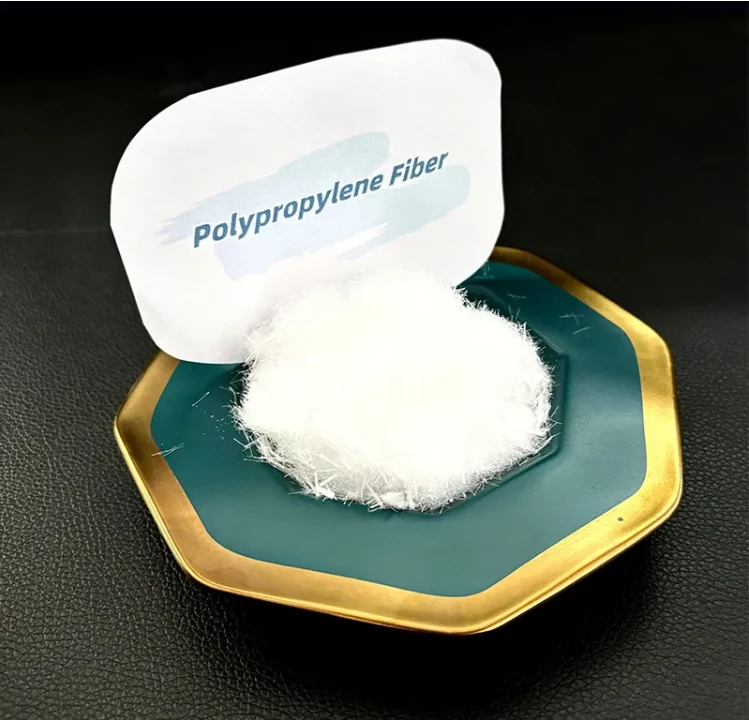
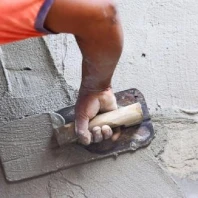


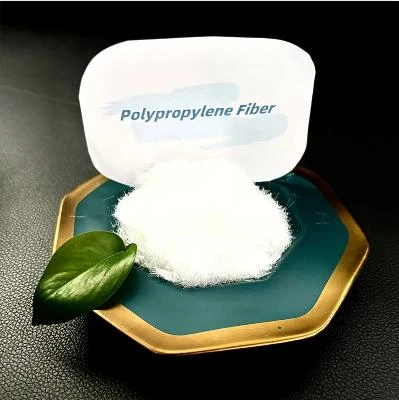
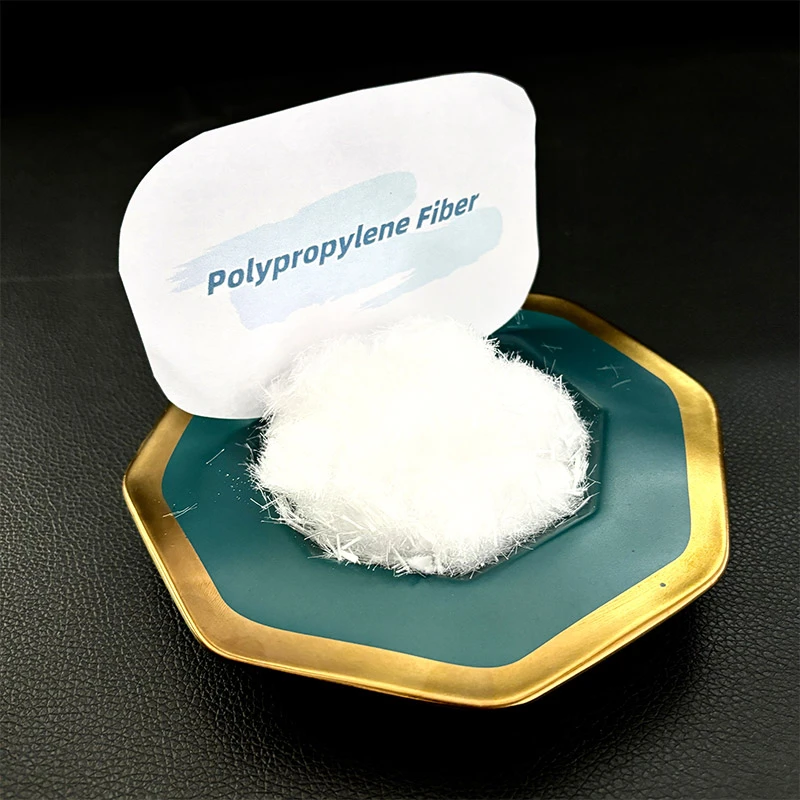
Polypropylene fiber is an innovative material that significantly enhances the performance characteristics of concrete and mortar, making it an essential component in modern construction applications. As a premier supplier, HeBei ShengShi HongBang delivers premium-grade polypropylene fibers that meet rigorous international standards for strength, durability, and performance optimization. Technical Specifications of Premium Polypropylene Fibers Parameter Standard Value Test Method Performance Benefit Fiber Length 3-20 mm ASTM D2130 Crack control optimization Diameter 18-45 microns ISO 1888 Optimal reinforcement distribution Tensile Strength 400-750 MPa ASTM D2101 Structural reinforcement Elastic Modulus 3.5-10 GPa ISO 527 Flexural strength enhancement Melting Point 160-170°C ASTM D7138 Heat resistance Density 0.91 g/cm³ ISO 1183 Ease of mixing Alkali Resistance >95% ASTM C1116 Concrete matrix longevity Dosage Rate 0.6-1.8 kg/m³ ACI 544 Plastic shrinkage reduction Industry Applications & Technical Advantages Concrete Reinforcement Our pp fiber products reduce crack formation by up to 85% while improving impact resistance by 150% (ACI Materials Journal). Mortar Enhancement Microfiber synthetic additives decrease permeability and improve freeze-thaw durability in mortar applications. Pavement Construction Integrating polypropylene fibre extends road lifespan by minimizing reflective cracking (Journal of Materials in Civil Engineering). Industrial Flooring Our fibers increase abrasion resistance and eliminate joint spacing limitations in warehouse slabs. Performance Analysis of Polypropylene Fibers Comparative strength development in fiber-reinforced concrete Surface durability under abrasion testing cycles (ASTM C944) Global market growth projections for synthetic fibers (2024-2030) Technical FAQ: Polypropylene Fiber Applications What fiber length provides optimal crack control? For most concrete applications, 12mm fibers demonstrate optimal performance with uniform dispersion and maximum crack-bridging capability according to RILEM technical recommendations. For spray applications, 6mm microfibers are preferred. How does aspect ratio affect reinforcement? Aspect ratio (length/diameter) directly influences bonding strength. We manufacture fibers with 200-500 ratios ideal for different mix designs. Higher ratios increase tensile strength but require careful mixing procedures. What polymer grade is suitable for aggressive environments? Our chemically-modified homopolymer fibers with pH stability from 1-13 withstand harsh chemical exposure exceeding 20 years according to ASTM C666 freeze-thaw certification. How does dosage affect compressive strength? Optimal dosages between 0.9-1.2kg/m³ increase compressive strength 15-20% as documented in ACI 544.3R reports. Higher dosages improve toughness but may slightly decrease workability. What surface treatments enhance bonding? Our proprietary hydrophilic coating improves fiber-matrix bond strength by 30% compared to untreated fibers (CTLGroup testing). This treatment also reduces mixing time. How do synthetic fibers compare to steel reinforcement? While steel provides primary reinforcement, polypropylene fiber offers secondary reinforcement with superior crack control, corrosion resistance, and freeze-thaw protection at 1/10 the material cost. What certifications does your production meet? Our manufacturing facility is ISO 9001:2015 certified with individual products meeting ASTM C1116, EN 14889-2, and JIS A6204 standards for consistent quality assurance. Industry Recognition & Technical Validation "Recent studies confirm that properly engineered polypropylene fibers can extend concrete service life by 40-60% by effectively controlling microcrack formation during critical curing stages." - International Journal of Concrete Structures and Materials Additional Technical References: "Performance Evaluation of Synthetic Fiber Reinforced Concrete" - American Concrete Institute ( www.concrete.org ) "Global Fiber Market Analysis 2023" - Fiber Cement Composite Research Council ( fibercomposites.org ) "Durability Enhancements through Microfibers" - Journal of Building Materials Science ( jbms.build ) "Comparative Analysis of Fiber Reinforcements" - Materials and Structures Journal ( matsstruct.springer.com ) "Advanced Production Techniques for PP Fibers" - International Fiber Association ( globalfibers.org ) Request Your Technical Sample Package Experience the ShengShi HongBang difference in our premium polypropylene fiber products engineered for superior performance. Contact Our Engineering Team Call: +86 13180486930 Email: 13180486930@163.com
- 40000tons

Production
- 20+years

Experience
- 5000+㎡

Acreage

-
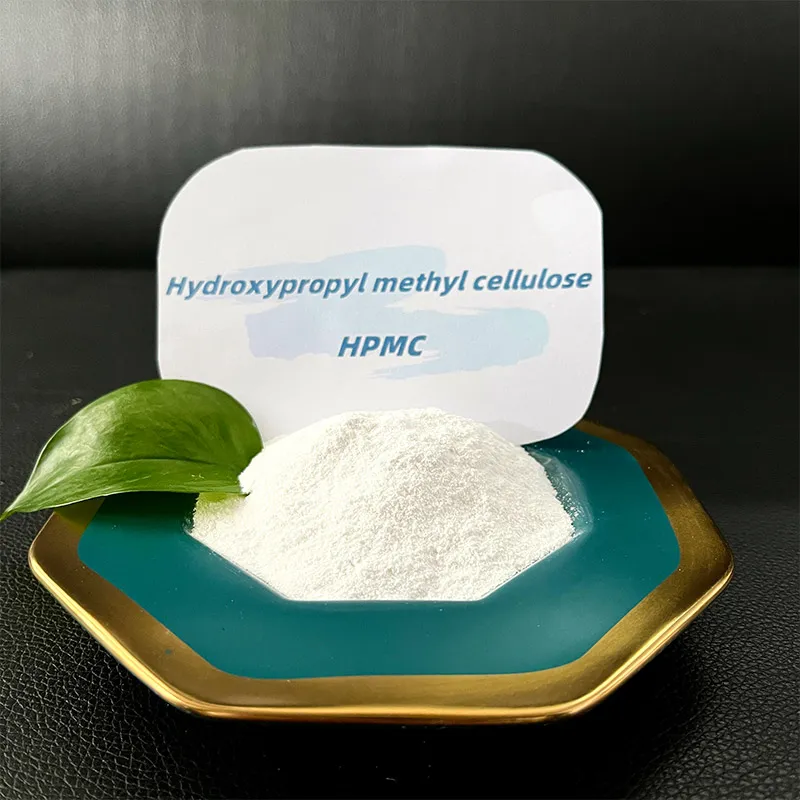
Understanding HPMC and Its Melting Point Characteristics Hydroxypropyl Methylcellulose (HPMC) is a versatile cellulose ether widely utilized in various industries, including pharmaceuticals, food, and construction. Known for its excellent film-forming properties and water solubility, HPMC is often chosen for its ability to modify the physical properties of products. One noteworthy aspect of HPMC that warrants discussion is its melting point characteristics, an important factor influencing its applications. HPMC is synthesized by modifying cellulose with hydroxypropyl and methyl groups, thereby enhancing its solubility and stability. Unlike traditional cellulose, which is insoluble in cold water, HPMC dissolves well, forming a clear gel-like solution. This solubility profile makes HPMC a preferred choice for a range of applications, particularly in the pharmaceutical sector, where it serves as an excipient, stabilizer, and controlled-release agent. Understanding HPMC and Its Melting Point Characteristics In practical terms, the thermal properties of HPMC are often evaluated through differential scanning calorimetry (DSC) or thermogravimetric analysis (TGA). These methods help identify the temperature ranges where significant weight loss occurs, indicating decomposition rather than melting. Typically, the thermal degradation of HPMC starts around 200°C, but this can vary depending on the degree of substitution and the molecular weight of the polymer. hpmc melting point The absence of a well-defined melting point affects how HPMC behaves in various formulations. For instance, when used in pharmaceutical tablets, the processing temperature must be carefully controlled to avoid degradation. If the temperature exceeds the decomposition threshold, the HPMC’s beneficial properties could be compromised, leading to ineffective drug release profiles. In addition to pharmaceutical applications, HPMC is widely used in the food industry. It acts as a thickening agent, stabilizer, and emulsifier, helping to improve the texture and consistency of various food products. Understanding the thermal properties of HPMC is essential in these applications as well. During food processing, high temperatures can be employed to ensure proper mixing and incorporation, but care must be taken to avoid exceeding the thermal limits of HPMC to maintain the desired product quality. Moreover, in the construction industry, HPMC is utilized in drywall joint compounds, tile adhesives, and other materials. Its water retention properties help improve workability and prevent premature drying. When formulating these products, manufacturers need to consider the thermal properties of HPMC to ensure performance stability during application and curing processes. The melting point characteristics of HPMC highlight its significance across various fields. While it may not exhibit a conventional melting point, understanding its thermal behavior is paramount for optimizing its use in formulations. Various factors, including degree of substitution, molecular weight, and processing conditions, play a role in determining how HPMC interacts in different applications. In conclusion, HPMC is a valuable polymer with wide-ranging applications and unique melting point characteristics that affect its functionality. Those working with HPMC should be aware of its thermal behavior to harness its full potential while ensuring product efficacy and safety. As research and technology advance, the understanding of HPMC and its properties will continue to evolve, paving the way for innovative solutions in pharmaceutical, food, and construction applications.
-
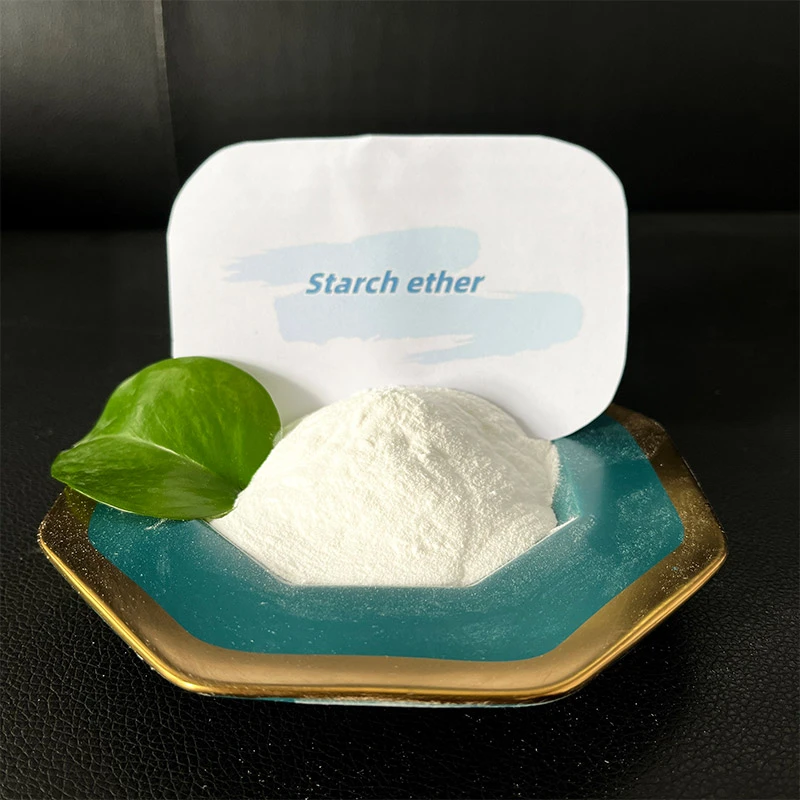
The Producers of Starch Ether An Overview Starch ethers are innovative chemical derivatives produced from starch, a polysaccharide that serves as a primary energy source in many plants. These derivatives are essential in various industries, including food, pharmaceuticals, cosmetics, and papermaking, due to their unique properties. In this article, we will explore the key producers of starch ethers, their manufacturing processes, and their applications. Understanding Starch Ethers Starch ethers are formulated by reacting starch with etherifying agents. This process modifies the starch, enhancing its solubility, viscosity, and thermal stability. Common etherifying agents include ethylene oxide, propylene oxide, and chloroacetic acid. The resultant starch ethers possess characteristics that are highly beneficial for different applications, such as improved binding, thickening, and film-forming properties. Key Producers in the Industry . 2. Roquette Frères A worldwide leader in plant-based ingredients, Roquette Frères specializes in starch derivatives, including starch ethers. Their extensive product range caters to diverse industrial needs, and they focus on producing sustainable, high-performance solutions. Roquette emphasizes continuous innovation, aiming to provide cutting-edge products to enhance the functionality of food, nutraceuticals, and cosmetics. производители эфира крахмала 3. Tate & Lyle Tate & Lyle is renowned for its expertise in food ingredients and solutions. The company produces various starch-based products, including starch ethers. With a strong focus on health and wellness, Tate & Lyle develops formulations that support clean label initiatives while meeting the demands for texture and performance in food products. 4. ADM (Archer Daniels Midland Company) ADM is a global leader in agricultural processing and one of the top starch ether producers. The company’s vast network and expertise allow for the efficient production of starch derivatives. ADM's focus on innovation and sustainability ensures the development of solutions that meet the evolving needs of the market. 5. Ashland Global Holdings Inc. Ashland is known for its specialty chemicals and has a significant portfolio of starch derivatives. The company's starch ethers find widespread applications in personal care products due to their thickening and film-forming capabilities. Ashland's commitment to research enables them to provide customized solutions across various industries. Applications of Starch Ethers Starch ethers are utilized in a multitude of applications. In the food industry, they serve as thickeners and stabilizers, enhancing texture and shelf life. In pharmaceuticals, they improve the formulation of medicines, acting as excipients that aid in the drug delivery process. The cosmetics industry benefits from their film-forming and moisturizing properties, while the papermaking sector uses them for improved adhesion and viscosity. Conclusion The production of starch ethers is a thriving sector due to their versatility and functional benefits across various industries. Leading companies like Cargill, Roquette, Tate & Lyle, ADM, and Ashland play crucial roles in the supply chain, constantly innovating to meet market demands. As industries continue to prioritize sustainability and performance, the relevance of starch ethers is only set to grow, making it an exciting area for future developments.
advantages
-

200000 Viscosities
Excellent product
We can produce pure products up to 200,000 viscosities
-

40000 tons
High yield
We don’t stop production all year round, and the annual output can reach 40,000 tons
-

24 hours
Quality service
We provide 24-hours online reception service, welcome to consult at any time
———— Inquiry Form
Schedule A services

-
 hydroxymethyl_cellulose
Oct . 25, 2025
As industries evolve, innovative materials like chlorinated rubber powder are revolutionizing manufa -
 hydroxypropyl_methylcellulose_price
Oct . 25, 2025
Fiberglass polypropylene has emerged as a revolutionary material in the context of modern manufactur -
 hpmc_in_tablets
Oct . 25, 2025
Retained Hydroxypropyl Methylcellulose (HPMC) has long been a cornerstone in various industrial and


